Maintains Nutrient Rich Growth Factors
- Provenda® amniotic-derived tissues may be used as a soft tissue barrier and wound covering that retains endogenous extracellular matrix (ECM), growth factors, and cytokines1-4 essential for signaling. The properties of Provenda amniotic tissue help provide protection to damaged tissue while maintaining nutrient-rich growth factors.5,6
Protective Barrier
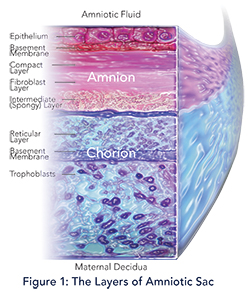
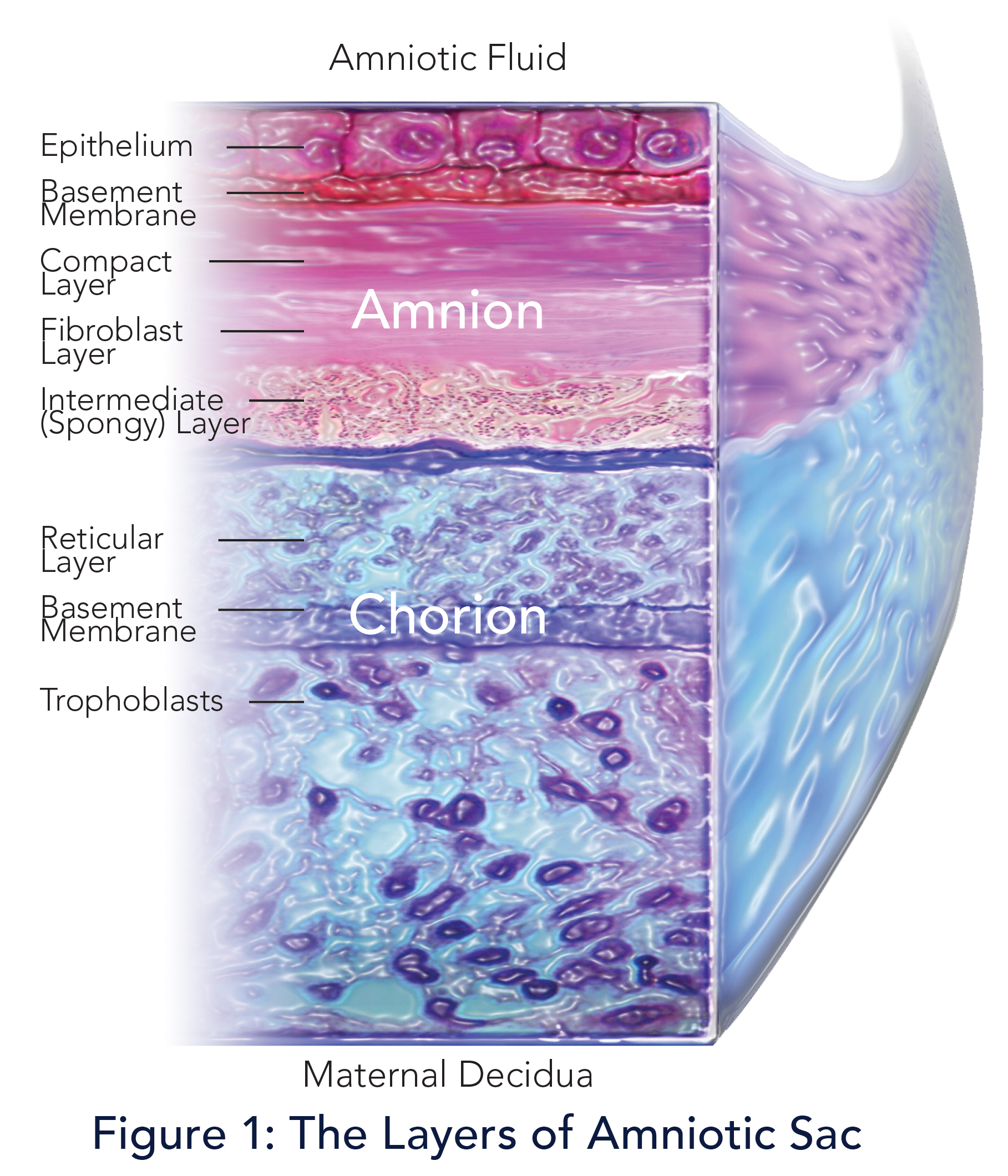
- Processing retains the intermediate (spongy) layer and preserves the inherent properties of amniotic tissue which retains extracellular matrix molecules, growth factors, and cytokines.5
- Acts as a protective barrier to prevent adhesions at the surgical site while supporting damaged tissue.4
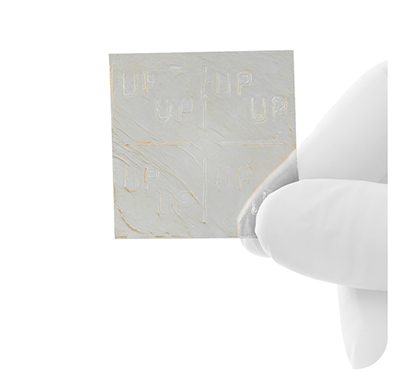
Provenda Amniotic Membrane
- Maintains the amnion layer, intermediate / spongy layer, and the chorion.
- ~400um thickness (≈.4mm), up to 4x thicker than traditional amnion.
- Multilayer membrane for improved handling and increased workability.
Provenda Max Umbilical Cord Membrane
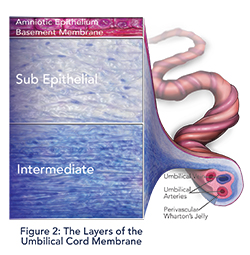
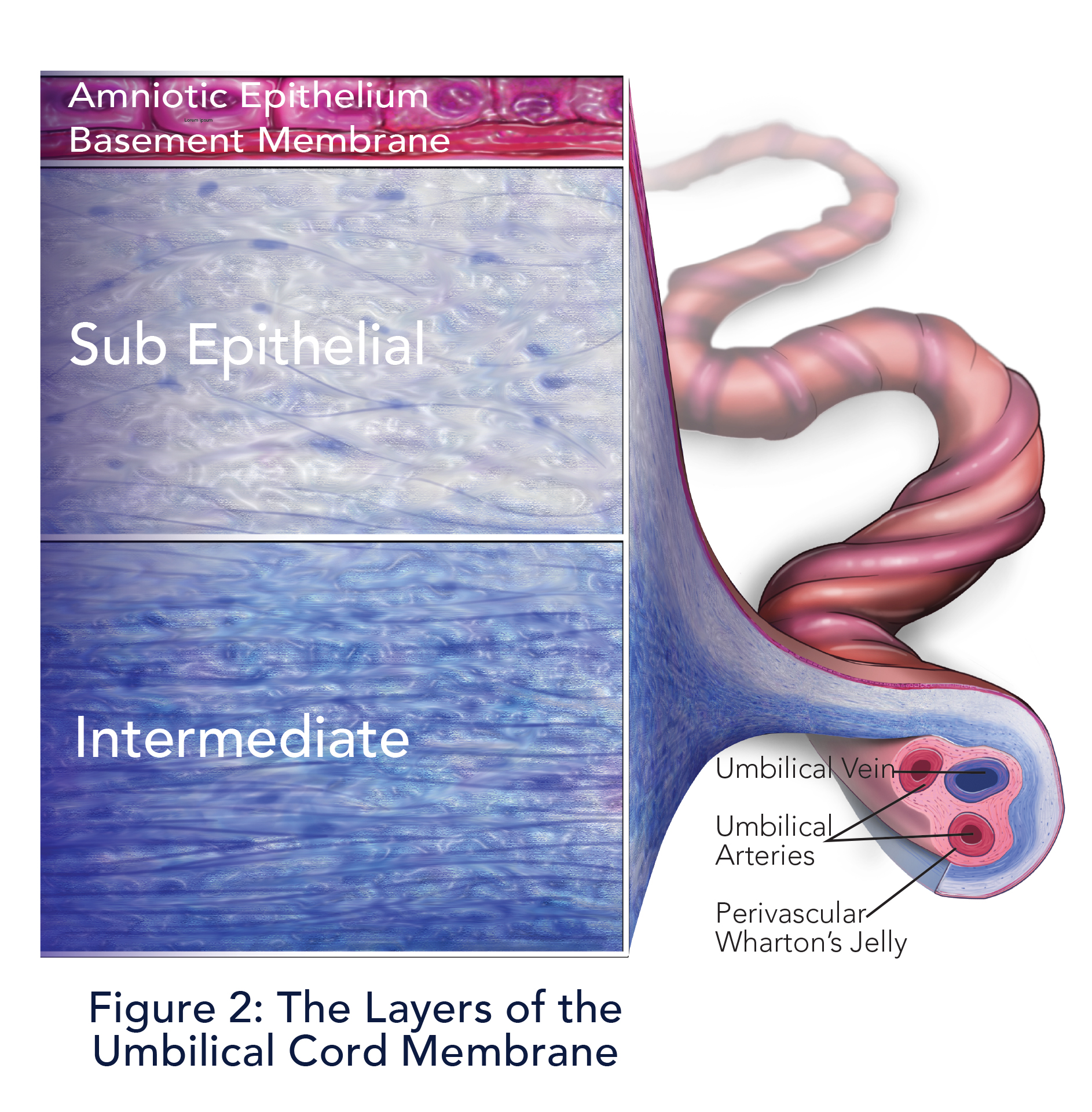
- Derived from the umbilical cord.
- ~400um thickness (≈.4mm), up to 4x thicker than traditional amnion.
- Robust tissue density allows for suturing in place.
1. Coolen, Neeltje A., et. al. “Comparison Between Human Fetal and Adult Skin.” Archives of Dermatological Research, 2010, vol. 302, pp. 47-55.
2. Coolen Neeltje A., et. al. “Wound Healing in a Fetal, Adult, and Scar Tissue Model: A Comparative Study.” Wound Repair and Regeneration, 2010, vol. 18, pp. 291-301.
3. Tseng Scheiffer, et. al. “How Does Amniotic Membrane Work?” The Ocular Surface, 2004, vol. 2, pp. 177-187.
4. Riordan, Neil H., et. al. “Case Report of Non-Healing Surgical Wound Treated with Dehydrated Human Amniotic Membrane.” Journal of Translational Medicine, 2015, vol. 13, pp. 242.
5. Delcroix Gaetan J. R., et. al. “Preserving the Natural Regenerative Potential of Amniotic Membrane.” VIVEX Biologics, 2017.
6. Koob, Thomas J., et. al. “Properties of Dehydrated Human Amnion/Chorion Composite Grafts: Implications for Wound Repair and Soft Tissue Regeneration.” Journal of Biomedical Materials Research B: Applied Biomaterials, 2014, vol. 102B, pp. 1353-1362.