Viable Cell Population
-
An average of 1.5 million viable osteogenic cell population per cc of matrix are preserved via a non-DMSO cryoprotectant2
- Endogenous bone cells remain attached via advanced processing techniques
- Viable endogenous bone cells support osteogenic healing processes
Optimized Handling
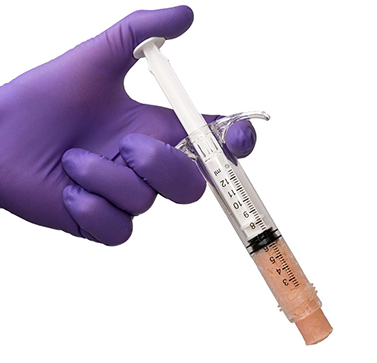
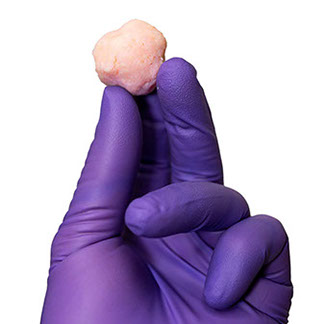
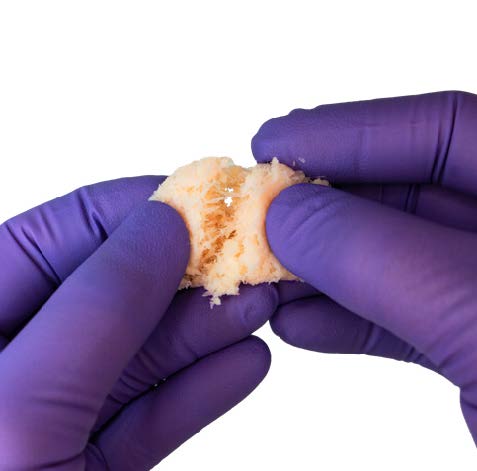
- Demineralized cortical bone fiber allows for a cohesive fibrous moldable allograft with hydrophillic properties that is resistant to lavage
- Bone fibers offer superior osteoconductivity when compared to powder due to the increased ability for cells to migrate along fibers, creating “cellular highways” for bone formation3
Proprietary Non-DMSO Cryopreservation
- No rinsing or decanting required – differentiated technology that maintains the integrity of the cell population4
- Reduces concerns about cytotoxicity and negative effects on cell differentiation4,5,6
- Post thaw 4-hour working window for implantation
1. Gruskin, E. et.al., Demineralized bone matrix in bone repair: history and use. Advanced Drug Delivery Reviews, 2012. 64:1063-1077
2. Data on file.
3. Martin GJ Jr, Boden SD, Titus L, Scarborough NL, “New formulations of demineralized bone matrix as a more effective graft alternative in experimental posterolateral lumbar spine arthrodesis.”, Spine. 1999 Apr 1;24(7):637-45.
4. Best, Benjamin. P. Cryprotectant Toxicity: Facts, Issues, and Questions. Rejuvenation Research, 2015. Vol. 18, No. 5.
5. Renzi, S., et al., Mesenchymal stromal cell cryopreservation. Biopreservation and Biobanking, 2012. 10(3): p. 276-281.
6. Asghar, W., et al., Preserving human cells for regenerative, reproductive, and transfusion medicine. Biotechnology Journal, 2014. 9: p. 895-903.